Pet Safety Checklist for New Pet Owners
Bringing a new pet home is an exciting milestone—but it also comes with new responsibilities. Many accidents involving pets happen not because owners are careless, but because potential hazards are easy to overlook.
This pet safety checklist for new pet owners will help you create a safer home environment from day one, reducing risks and giving your pet the best possible start.
Why Pet Safety Matters From the Start
Pets—especially puppies, kittens, and rescue animals—are naturally curious. They explore with their mouths and paws, often without understanding danger.
A well-prepared home can help:
-
Prevent common injuries and accidents
-
Reduce stress for both pets and owners
-
Build healthy routines early
-
Avoid costly emergency vet visits
Pet-proofing your home doesn’t mean eliminating freedom—it means creating safe boundaries.
Essential Pet Safety Checklist (Room by Room)
🏠 Entryways & Doors
-
Keep doors and gates securely closed
-
Use pet safety gates to prevent door-dashing
-
Make sure collars and ID tags fit properly
New pets are most likely to escape during the first few weeks.
🛋 Living Room
-
Secure loose electrical cords and cables
-
Remove small objects that could be swallowed
-
Block access to fireplaces or sharp furniture edges
-
Use non-slip mats on smooth floors
🍽 Kitchen
-
Store food, medications, and cleaning supplies out of reach
-
Use trash cans with locking lids
-
Keep hot cookware and sharp utensils off counters
-
Avoid feeding pets human food without guidance
🛏 Bedrooms
-
Keep medications and cosmetics secured
-
Prevent access to choking hazards (coins, hair ties, batteries)
-
Use barriers if your pet chews cords or fabric
🧗 Stairs & Hallways
-
Install safety gates at the top or bottom of stairs
-
Ensure adequate lighting at night
-
Avoid slippery surfaces where possible
Stairs are a common source of injury, especially for small pets and seniors.
Outdoor Safety Basics
-
Always supervise pets outdoors
-
Use leashes or enclosed spaces
-
Check fencing for gaps or weak points
-
Provide shade and fresh water
-
Avoid leaving pets outside unattended for long periods
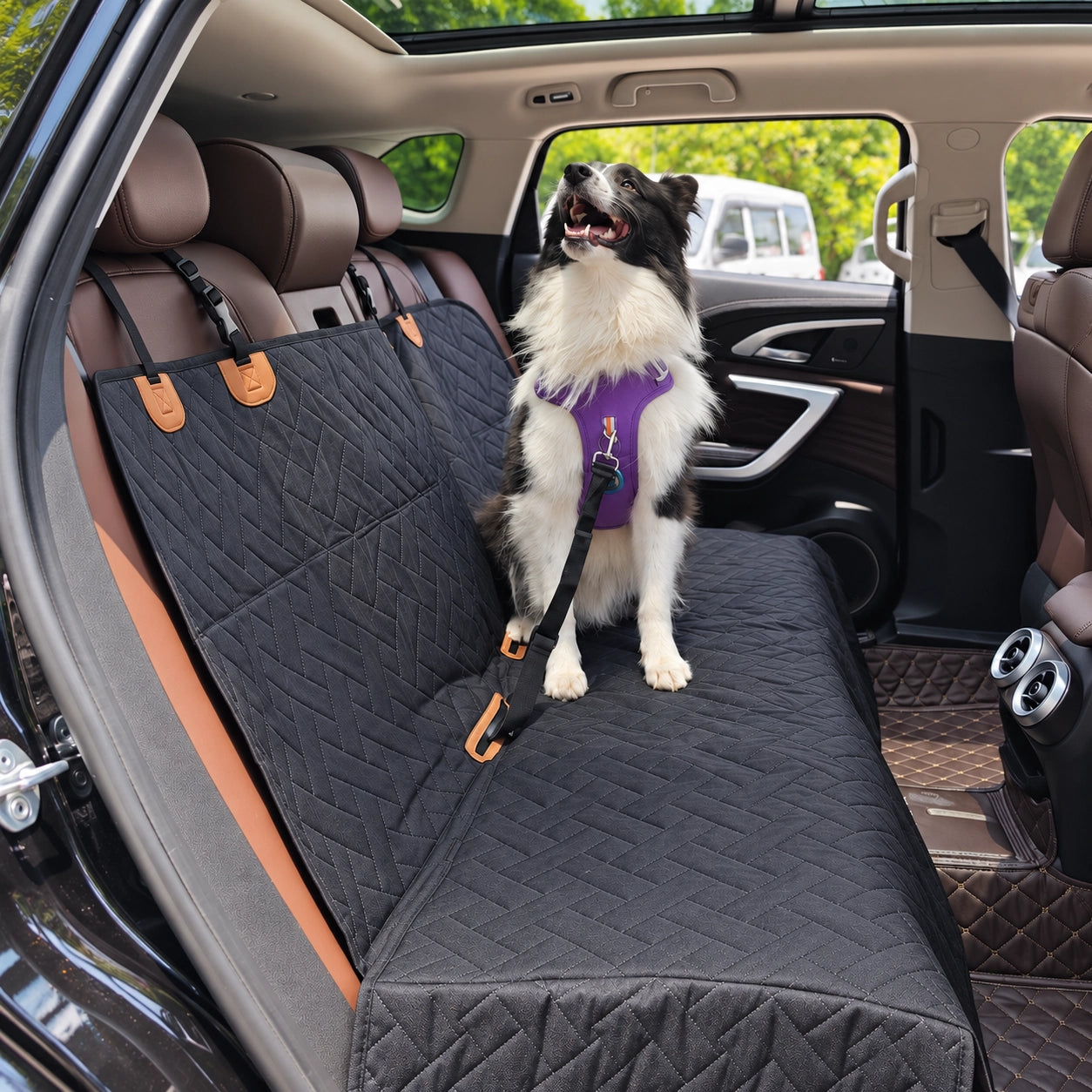
Travel & Car Safety Checklist
-
Never allow pets to roam freely in a vehicle
-
Use proper restraints, barriers, or carriers
-
Never leave pets unattended in cars
-
Ensure proper ventilation and temperature
Safe travel is just as important as home safety.
Creating Safe Boundaries Without Stress
Safety doesn’t require constant confinement. Modern pet safety solutions—such as adjustable pet gates and indoor barriers—allow pets to observe their surroundings while limiting access to risky areas.
This approach helps:
-
Reduce anxiety
-
Maintain routine
-
Encourage calm behavior
Controlled access builds confidence over time.
Common Pet Safety Mistakes New Owners Make
Avoid these frequent oversights:
-
Assuming pets “know better”
-
Leaving doors or windows unsecured
-
Using unsafe household cleaners
-
Allowing unrestricted access too soon
Most safety issues are preventable with simple precautions.
When to Update Your Safety Setup
As your pet grows or ages, safety needs change. Reassess your setup if:
-
Your pet becomes more mobile
-
Behavior changes
-
You move to a new home
-
A new pet or baby is introduced
Pet safety is an ongoing process—not a one-time task.
Final Thoughts: A Safe Home Builds a Confident Pet
Creating a safe environment is one of the best gifts you can give a new pet. With thoughtful preparation, clear boundaries, and consistent routines, your home can become a place where your pet feels secure, relaxed, and happy.
A safe pet is a confident pet—and a confident pet is a joy to live with.